
Top 5 Family Neighborhoods to Move to in Irvine, CA: Your Ultimate Guide for Safe, School-Friendly Relocation
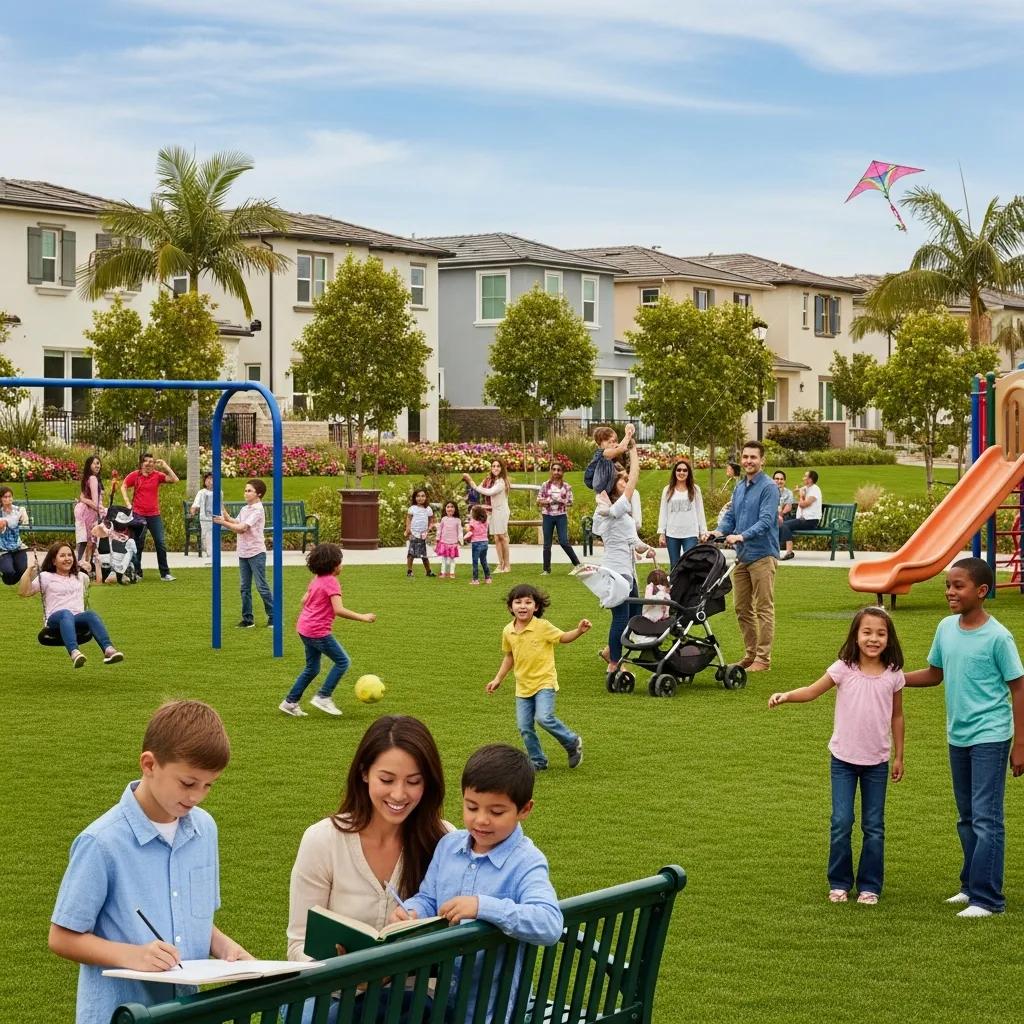
Irvine, California regularly ranks among the state’s most family-focused cities. Its master-planned neighborhoods, plentiful parks, and strong public schools make it a go-to option for parents who put safety and education first. This guide walks families through the five neighborhoods we see most often—Woodbridge, Turtle Rock, Northwood, Westpark, and Portola Springs—comparing amenities, school access, housing patterns, and everyday logistics that matter to parents. Choosing where to live in Irvine often comes down to commute, school boundaries, HOA rules, and which community amenities fit your rhythm. Knowing those trade-offs ahead of time lowers moving stress and helps you pick the right spot. Below you’ll find neighborhood comparisons, deep dives, cost-of-living context, a decision checklist, safety notes, and practical moving tips. If you’re planning a move, Maison Moving is a local partner that offers tailored moving and secure storage solutions — request a free quote from Maison Moving to get started.
Why Is Irvine, CA the Best City for Families to Relocate?
Irvine stands out for families because it combines low crime, well-regarded public schools, and lots of family-focused amenities. The city’s planning favors master-planned communities with parks, bike paths, community centers, and nearby open space—features that make outdoor play and active family life easier. The Irvine Unified School District is a major draw: many schools here earn high marks and provide predictable daily routines that matter to parents. In short, the things families most often cite—safety, strong schools, parks and lakes, and family-minded neighborhood design—are baked into how Irvine is built and run.
That safety and school quality show up in practical ways: neighborhood patrols, well-lit walking routes, and school programs that make daily life smoother. Looking at those neighborhood-level differences helps families choose the community that best fits their school priorities, commute, and lifestyle.
What Makes Irvine One of the Safest Cities in the U.S. for Families?
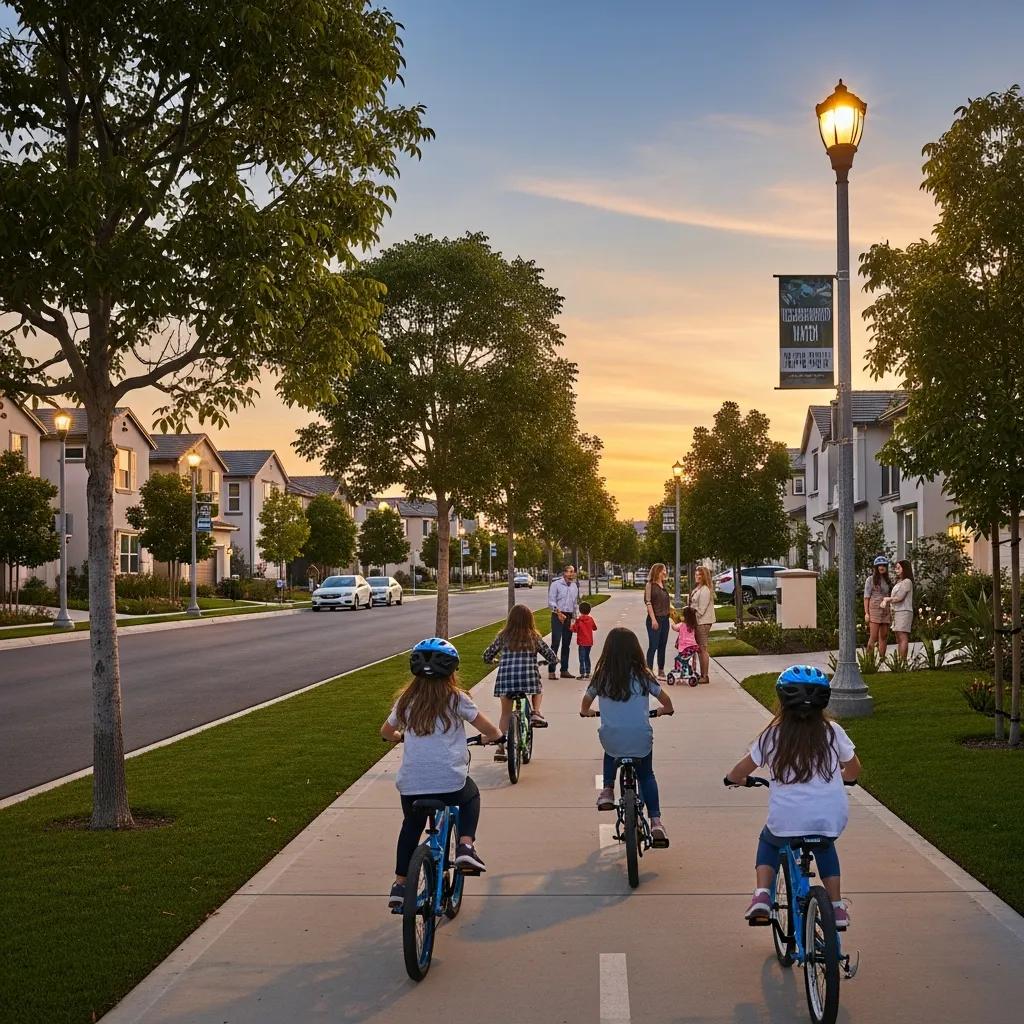
Irvine’s safety reputation reflects proactive policing, community-focused planning, and pedestrian-friendly infrastructure—think separated bike lanes and consistently maintained park lighting. Those design choices correlate with lower violent and property crime rates compared with many similarly sized cities, which matters for families who want safe routes to school and reliable outdoor spaces. Active community programs—neighborhood watch, school safety initiatives, and engaged HOAs—add a layer of local oversight that supports public safety. Reviewing these built-environment features alongside current crime maps gives families a practical sense of neighborhood safety when shopping for a home.
Neighborhood design and local safety measures affect more than crime numbers—they shape daily experiences that influence childhood well-being.
Neighborhood Safety Features and Perceptions: Impact on Childhood Mental Health
This study examines how built-environment features, parental and community perceptions of safety, and children’s own sense of safety relate to depressive symptoms in young boys and girls living in Montréal, Québec. The findings highlight how local safety measures and perceptions can have lasting effects on childhood mental health.
Feeling safe: a critical look at the effect of neighborhood safety features and perceptions on childhood symptoms of depression, C Côt�-Lussier, 2024
How Do Irvine’s Schools Rank for Family Relocation?
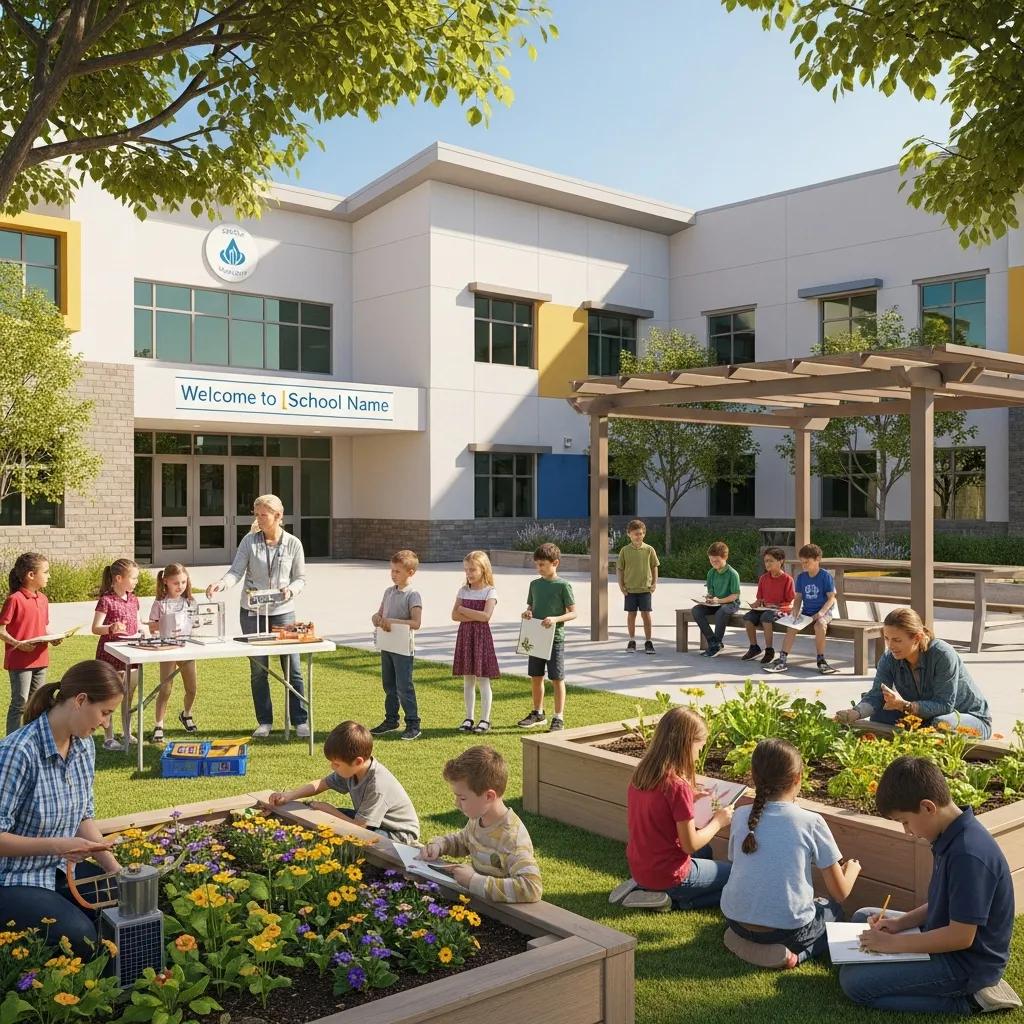
The Irvine Unified School District is a clear advantage for families moving here—many elementary, middle, and high schools receive strong ratings from independent sources and parent reviews. School quality affects everyday logistics like drop-off windows, after-school programs, and the option to walk or bike to campus, and it also drives property values. Families should always check current school boundary maps—zones change and that can affect enrollment. Pairing performance data with a site visit during school hours will give you the most useful picture of classroom life and community fit.
What Are the Top 5 Family Neighborhoods in Irvine, CA?
This section profiles five neighborhoods that consistently show up on family shortlists, highlighting what makes each one family-friendly and how their amenities and school access differ. Use the quick comparison below to narrow your options before reading the neighborhood details.
The table shows how each neighborhood leans—some favor outdoor recreation, others emphasize community programming or modern master planning—factors that affect daily life and moving logistics.
Neighborhood 1: Woodbridge – What Family Amenities and Schools Does It Offer?
Woodbridge is defined by its two large lakes, active swim clubs, and plentiful parks—ideal for families who want ready-made places for kids to play and neighbors to gather. Those lakes and pools create built-in after-school and weekend options that cut down on long drives and support a walkable routine. Local schools tend to have engaged parent communities and programs that sync well with neighborhood activities, making coordination easier for busy families. If you’re moving into Woodbridge, check HOA rules for lakefront properties and reserved parking ahead of time to make move-in day smoother. Ready to move? Request a free quote from Maison Moving to get started.
Neighborhood 2: Turtle Rock – Why Is It Ideal for Families?
Turtle Rock attracts families who value trails, nearby open space, and quiet streets that encourage outdoor play. The rolling hills and trail network give kids direct access to hiking and nature exploration, while nearby schools are often highly rated and active in local sports and events. Homes here range across single-family options that suit growing households, but some streets have narrow access or steep driveways—details that affect moving-day plans. Plan for parking control and careful moving vehicle placement on narrow lanes to keep disruption low. Ready to move? Request a free quote from Maison Moving to get started.
Neighborhood 3: Northwood – What Are the Housing and School Options?
Northwood is an established, family-centered neighborhood with mature parks, wide sidewalks, and community centers that host regular family programming and seasonal events. Housing includes single-family homes and townhomes that appeal to families who want an established feel with strong school assignments and local services. The neighborhood’s community centers make after-school logistics easier for parents. On moving day, be aware of street-parking rules during busy weekends; scheduling and permits can reduce friction. Ready to move? Request a free quote from Maison Moving to get started.
Neighborhood 4: Westpark – How Does It Support Family Life?
Westpark is built around family amenities—multiple pools, playgrounds, and sidewalks that encourage neighborly interaction and safe routes for kids. Regular community events and organized programs help new families plug in quickly and find nearby child-focused activities, cutting down commute time for extracurriculars. Schools are generally convenient to get to, and home layouts often feature family-friendly floor plans and yards. Before moving, check HOA protocols and designated community entry points so moving trucks can access the site without surprises. Ready to move? Request a free quote from Maison Moving to get started.
Neighborhood 5: Portola Springs – What Makes It a Family Favorite?
Portola Springs is a newer master-planned community that draws families with modern home designs, fresh parks, and family-first neighborhood planning. Amenities and schools often open in phases, giving families modern facilities as the community grows—but that staged rollout can mean construction or limited access early on. School placements and playgrounds are usually integrated into the plan, supporting a cohesive family lifestyle as services come online. When moving here, plan for construction traffic windows and phased access to make your first days less disruptive. Ready to move? Request a free quote from Maison Moving to get started.
How Does the Cost of Living Affect Families Moving to Irvine, CA?
Housing drives the cost of living in Irvine—prices vary by neighborhood and housing type—so understanding those differences helps families budget for mortgage or rent, taxes, and the indirect costs of living closer to amenities. Non-housing items—utilities, childcare, groceries, and transportation—also matter but generally take a smaller share of the family budget than housing. Strategies like moving off-season, using secure storage to stage possessions, or choosing a slightly smaller home near strong schools can help manage the sticker shock. The table below gives a quick snapshot of median home-price signals across the top neighborhoods to aid budgeting.
Quick note before the table: this compact comparison highlights neighborhood price signals and recent trends to guide families considering purchase or long-term rental.
Generally, newer master-planned areas and lakefront neighborhoods command higher prices, while long-established neighborhoods offer steadier markets that can be more predictable for buyers and renters.
What Are the Housing Prices and Market Trends in Irvine’s Family Neighborhoods?
Prices at the neighborhood level reflect inventory, school desirability, and amenity access—lakefront lots and new-construction homes tend to be at the upper end. Rentals follow the same logic: areas closer to employment centers or top-rated schools usually have higher rents and lower vacancy. Timing matters—seasonal cycles and interest-rate swings influence when to list or rent—so working with a local agent who knows micro-neighborhood trends can pay off. Build a short- and medium-term budget that includes mortgage or rent, utilities, and a contingency for moving costs.
How Do Utilities and Other Living Expenses Impact Family Budgets?
Utilities, childcare, groceries, and insurance vary by household size and lifestyle, but families can reduce costs with energy-efficient choices, shared childcare arrangements, and smart shopping. Childcare and after-school programs are often the largest non-housing expense for families with young children; being near high-quality public schools or community centers can cut that cost. Small moves—like staging a home to avoid immediate furniture purchases or using secure storage to spread out setup—can ease cash flow. Reviewing living costs alongside housing commitments gives you a clearer read on long-term affordability.
What Should Families Consider When Choosing an Irvine Neighborhood?
Picking the right neighborhood means balancing school quality, safety, commute, amenities, housing type, and community fit. Decide which factors are non-negotiable to narrow options quickly. A focused checklist helps families run consistent neighborhood visits, verify school boundaries, and confirm HOA or moving protocols that might affect logistics. Visit neighborhoods at different times, check community calendars and crime maps, and you’ll get much more than raw stats. Use the checklist below during visits to compare candidates fairly.
How to use this checklist: bring it on neighborhood visits or while shortlisting options to keep comparisons consistent.
- Confirm school assignments and performance for nearby elementary, middle, and high schools.
- Check neighborhood safety indicators—lighting, sidewalks, bike lanes, and community programs.
- Estimate commute times to work, childcare, and frequent destinations during peak hours.
- Review HOA rules, gated-community protocols, and parking or permit requirements that affect moving and daily life.
Run these checks at different times and cross-reference public records to reduce the chance of unwelcome surprises after your move.
How Do School Districts Influence Neighborhood Choice?
School boundaries and district reputation often shape neighborhood demand and long-term property values, so many families prioritize school assignments when choosing a home. Verify boundary maps and enrollment rules—these can change and sometimes include transfer or lottery systems that affect access. Look beyond ratings: visit schools to see class sizes and after-school offerings. Understanding school logistics—drop-off, pick-up, and extracurricular timing—helps match neighborhoods to your family’s daily routine.
Why Are Safety and Community Amenities Critical for Family Moves?
Safety and access to parks, playgrounds, and community centers influence children’s development and how quickly parents find a social support network. Look for well-lit sidewalks, safe bike routes, and regular community events to assess daily safety and social opportunities. Check local crime maps, attend a community event, and talk to neighbors to learn both the formal stats and the lived experience. Prioritizing neighborhoods with strong safety infrastructure and active programming raises the odds of a smooth transition and long-term satisfaction.
How Can Maison Moving Help Make Your Family Move to Irvine Stress-Free?
Maison Moving offers moving and storage solutions tailored to Southern California families heading to Irvine. Our services combine local and long-distance moves, packing help, and secure storage to address common relocation pain points. We build personalized plans, use background-checked movers, and provide responsive support to help you coordinate school start dates, HOA rules, and gated-community access. Our sealed, containerized storage units are kept in a 25,000 sq. ft. facility in Chino Hills, giving families short- or long-term staging options when closings or renovations require flexibility. Below is a quick mapping of services to the family benefits they deliver.
How to read the table: each service maps to a feature and the family benefit it typically provides.
What Residential Moving Services Does Maison Moving Offer for Irvine Families?
Maison Moving handles local Southern California moves, long-distance and interstate relocations, and international moves—so families can choose the scope that fits their plans. Our team builds a plan, provides an estimate, and coordinates move day with clear communication so you can line up school start dates and HOA moving windows. We use background-checked specialists to protect fragile items, children’s gear, and large furniture. To speed a quote, gather an inventory, preferred move dates, and any HOA or gated-community instructions you’ve received.
How Do Secure Storage Solutions Support Family Relocations in Irvine?
Secure storage is useful when families need to stage possessions during a sale, keep things during renovations, or wait for closing dates to align. Our sealed, containerized units at a Chino Hills facility give you a safe, organized place for household goods, seasonal items, and child equipment—reducing clutter and making showings or setup easier. Storage also lets families phase a move—delivering essentials first and the rest later—to minimize disruption to kids’ routines. Talk through timelines and access needs during planning so storage aligns with school calendars and family life.
What Are the Safest Neighborhoods in Irvine for Families?
Families often ask which Irvine neighborhoods have the lowest crime and strongest safety features. The five neighborhoods profiled here—Woodbridge, Turtle Rock, Northwood, Westpark, and Portola Springs—regularly appear among the safest, thanks to thoughtful planning, active community programs, and engaged homeowners. Safety varies by area: some neighborhoods use neighborhood watch or gated sections, while others rely on well-lit pedestrian networks and proximity to emergency services. Look at recent crime data and community resources to understand how statistics translate into daily life. Below are neighborhoods commonly cited for low crime and family-focused design.
- Woodbridge: Active community associations and busy public spaces that support natural oversight.
- Turtle Rock: Close to open space and quieter streets, which reduces through-traffic exposure.
- Northwood: Mature neighborhoods with steady community programming and predictable residential patterns.
- Westpark: Built for family life with regular events and infrastructure that supports safe walking and biking.
- Portola Springs: Modern master-planned design with contemporary lighting, sidewalks, and family-focused public areas.
These neighborhoods show how design, community engagement, and programming combine to shape both perceived and measured safety for families.
Which Irvine Neighborhoods Have the Lowest Crime Rates?
Crime data usually shows lower incident rates where there’s active community oversight, good lighting, and limited through-traffic. The five neighborhoods profiled tend to report lower rates for violent and property crime in comparative analyses. Interpreting those figures requires nuance—population size, reporting practices, and the time period all matter—so cross-check official crime maps and local police reports for the latest context. Pairing data review with in-person visits at different times of day gives families a fuller picture of neighborhood safety.
How Do Safety Features Vary Across Irvine’s Top Family Communities?
Safety features range from formal measures—police-community partnerships and gated entrances—to everyday elements like active parks, busy sidewalks, and community events that increase natural surveillance. Some neighborhoods emphasize patrols or watch programs, while others rely on design features such as separated bike lanes and low-speed residential streets to lower risk. Prioritize the safety features that matter to your routine—safe walking routes to school, well-lit play areas after dark, and community programs that help with supervision and social connection.
Frequently Asked Questions
What are the key factors to consider when moving to a family-friendly neighborhood in Irvine?
Prioritize school quality, safety, nearby amenities, and commute times. Check school ratings and boundaries, look for parks and recreation options, and evaluate street lighting and sidewalks. Also think about access to work, childcare, and essential services—those daily factors shape family life more than occasional conveniences.
How can families assess the suitability of a neighborhood for their lifestyle?
Visit at different times to gauge traffic, noise, and community activity. Talk with residents to learn about local culture and services. Review crime maps, school performance data, and community calendars to see how well a neighborhood matches your priorities and routines.
What are the benefits of living in a master-planned community like Portola Springs?
Master-planned communities offer cohesive design, modern amenities, and well-laid-out public spaces—parks, trails, and recreation areas that encourage family time outside. As the community grows, new facilities typically come online in phases, giving families up-to-date resources and a strong neighborhood identity.
How do community events contribute to family life in Irvine neighborhoods?
Community events build local connections and offer easy ways for families to meet neighbors and find activities for kids. Seasonal festivals, sports leagues, and family workshops help families form support networks and feel at home faster.
What should families know about HOA regulations when moving to Irvine?
HOAs can affect property maintenance, amenity use, and moving logistics. Review HOA rules for parking, moving trucks, noise, and shared spaces before you commit. Reading HOA documents and speaking with current residents gives a clear sense of expectations and potential restrictions.
What resources are available for families relocating to Irvine?
Use local real estate agents for neighborhood insights, community websites for event listings, and school orientations to get settled. Moving companies like Maison Moving offer packing and storage solutions that reduce stress during the transition.
How can families ensure a smooth transition when moving to a new neighborhood?
Create a detailed plan with timelines, checklists, and provider contacts. Visit the new neighborhood beforehand, introduce your family to neighbors, and join community events to settle in faster. Clear communication among family members and realistic expectations make the process simpler and more positive.