
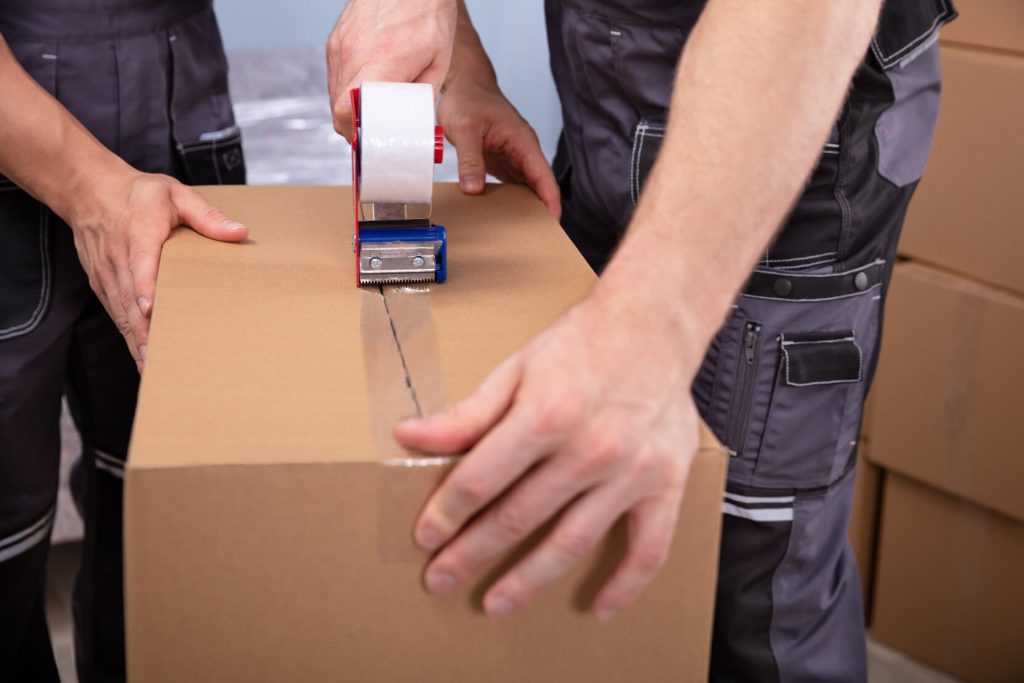
Most professional movers have strict rules about what they’ll pack during your move. These policies keep everyone safe and follow federal transportation laws. Knowing which packers won’t touch helps you prep ahead and avoid moving-day disasters.
Any reputable moving company in Tustin, CA, will refuse to pack hazardous materials, perishable food, live plants, valuables, important papers, pets, and open containers. The reasons range from safety risks to liability headaches, but understanding these limits upfront saves you major stress when it’s time to relocate.
Hazardous Materials That Packers Won’t Touch
Safety regulations strictly prohibit packers from handling dangerous substances during residential moves. These materials pose serious risks to transportation crews, other cargo, and public safety if not handled by certified specialists.
Common hazardous items that require special handling include gasoline, oxygen bottles, lighter fluid, matches, propane cylinders, nail polish remover, paints and paint thinners, and fireworks. Professional movers simply cannot take responsibility for transporting these items due to their flammable, corrosive, or explosive properties.
The Department of Transportation classifies hazardous materials into nine distinct categories, each requiring specific handling protocols. Flammable liquids like acetone or paint thinner can ignite during transit. Compressed gases in oxygen bottles or propane tanks present explosion risks if damaged. Even seemingly harmless items like nail polish remover contain chemicals that become dangerous when concentrated in enclosed moving trucks.
Customers must arrange separate transportation for these materials or dispose of them safely before moving day. Many local fire departments host hazardous-waste collection events where you can drop off unwanted chemicals and flammable substances.
Why Perishable Foods Get Left Behind
Temperature control during long-distance moves presents challenges that most moving companies can’t manage effectively. Perishable foods spoil quickly without proper refrigeration, creating health hazards and unpleasant odors that could contaminate other belongings.
Dairy products, fresh produce, frozen foods, and prepared meals require consistent temperature monitoring throughout transportation. Moving trucks lack the specialized refrigeration equipment needed to maintain food safety standards during multi-day journeys. Even short local moves can expose perishables to temperature fluctuations that promote bacterial growth.
Liability concerns regarding foodborne illness also influence packer policies. No moving company wants responsibility for transporting items that could make customers sick if they spoil during transit. Most professional packers recommend consuming perishables before moving day or donating unopened items to local food banks.
Smart planning helps minimize food waste during moves. Start eating from your pantry and freezer several weeks before your moving date, and avoid major grocery shopping trips as the date approaches.
Live Plants Face Transportation Challenges
Botanical specimens require specialized care that standard moving procedures can’t provide. Plants are living organisms with specific needs for light, water, air circulation, and temperature stability. The confined environment of moving trucks often proves fatal to even hardy plant varieties.
State agricultural departments impose strict regulations on the transportation of plants across state lines. These quarantine laws prevent the spread of invasive species and plant diseases that could damage local ecosystems. Some states completely prohibit bringing in certain plant types, regardless of how they’re transported.
Temperature extremes during transit pose another significant risk. Moving trucks can become ovens in summer heat or freezers in winter, creating conditions no plant can survive. The lack of natural light during extended transportation periods also stresses plants and weakens their immune systems.
Professional plant transportation services exist for valuable or rare specimens, but most homeowners find it more practical to give plants to friends or sell them before moving. Taking cuttings or seeds from favorite plants offers a way to preserve genetics while avoiding the complications of transportation.
Protecting Valuables and Important Documents
Moving companies limit liability for high-value items and irreplaceable documents by excluding them from standard packing services. Jewelry, family heirlooms, cash, important papers, and collectibles require special handling that goes beyond typical moving protocols.
Personal documents such as passports, birth certificates, insurance policies, and financial records should always travel with you. These papers are impossible to replace if lost and often contain sensitive information that requires secure handling. Even if documents seem safely packed, moving trucks can experience theft, accidents, or weather damage that puts irreplaceable paperwork at risk.
Creating digital backups of important documents provides additional security during moves. Scan everything and store copies in a secure cloud service or on password-protected external drives. This extra step protects you even if the original documents suffer damage during the relocation process.
High-value items need special consideration, too. Professional appraisals, photographs, and detailed inventories help establish value for insurance purposes. Some moving companies offer specialized services for valuable items, but these typically cost significantly more than standard packing rates.
Pet Transportation Requires Special Planning
Professional packers cannot include pets in their standard services because animals need constant care, monitoring, and specialized transportation equipment. Pets experience significant stress during moves and require familiar caregivers to help them cope with the disruption.
Climate-controlled vehicles, proper ventilation, and regular stops for exercise and bathroom breaks are necessary for pet safety during long-distance moves. Standard moving trucks lack these accommodations and often carry other items that could be dangerous if pets got loose inside the cargo area.
Each state maintains different requirements for pet transportation, particularly for interstate moves. Health certificates, vaccination records, and sometimes quarantine periods may be required depending on your destination. Planning these requirements takes time that moving companies can’t accommodate in their standard schedules.
Professional pet transportation services specialize in animal relocation and can handle complex moves that involve multiple animals or exotic pets. For most families, though, driving with pets personally ensures they receive proper attention and comfort during the stressful moving process.
The Problem with Unsealed Containers
The Packers refuse to handle containers that aren’t properly sealed because loose contents create safety hazards and liability issues during transportation. Open boxes can spill their contents, creating messes that damage other belongings or injure moving crews.
Partially filled containers also shift during transit, altering the truck’s weight distribution and creating handling difficulties. Professional packers need to know exactly what they’re lifting and how much each container weighs to prevent workplace injuries and ensure proper loading techniques.
Contamination concerns also influence policies regarding unsealed containers. Open food containers can attract pests, spill sticky substances, or develop odors that spread to other belongings. Even non-food items in unsealed containers can leak, break, or scatter if not properly secured.
Taking time to properly seal all containers before packers arrive prevents delays and ensures your belongings receive appropriate protection during the move. Use high-quality packing tape, label everything clearly, and double-check that lids are securely fastened on all boxes and storage containers.
Planning Around Packing Restrictions
Understanding what packers won’t handle helps you prepare alternative arrangements well before moving day. Start identifying restricted items early in your planning process so you have time to research proper disposal or transportation methods.
Create a separate inventory of items that require special handling, and research local resources for dealing with hazardous materials or valuable possessions. Many communities offer resources for safely disposing of paints, chemicals, and other hazardous substances.
Consider the timing of your move when planning around restrictions. If you’re moving during winter, you might need different preparations for plants than you would for a summer relocation. Long-distance moves require more extensive planning than local moves because you have fewer opportunities to transport restricted items yourself.
Professional moving consultations can help you understand specific policies and find solutions for challenging items. Most reputable companies provide detailed lists of restricted items and can recommend specialized services for handling things they can’t pack themselves.
The key to a smooth move lies in understanding these limitations early and planning accordingly. While packer restrictions might seem inconvenient, they exist to protect everyone involved and ensure your belongings arrive safely at your new home.
Contact Us
Have questions or ready to get started with your move? We’re here to help! You can reach Maison Moving by phone at (714) 942-1061 or by email at info@maisonmoving.com for quick assistance and answers. Whether you’re looking for a free quote, need help planning your move, or want to discuss your options, our team is just a call or message away.
Related Topics: