
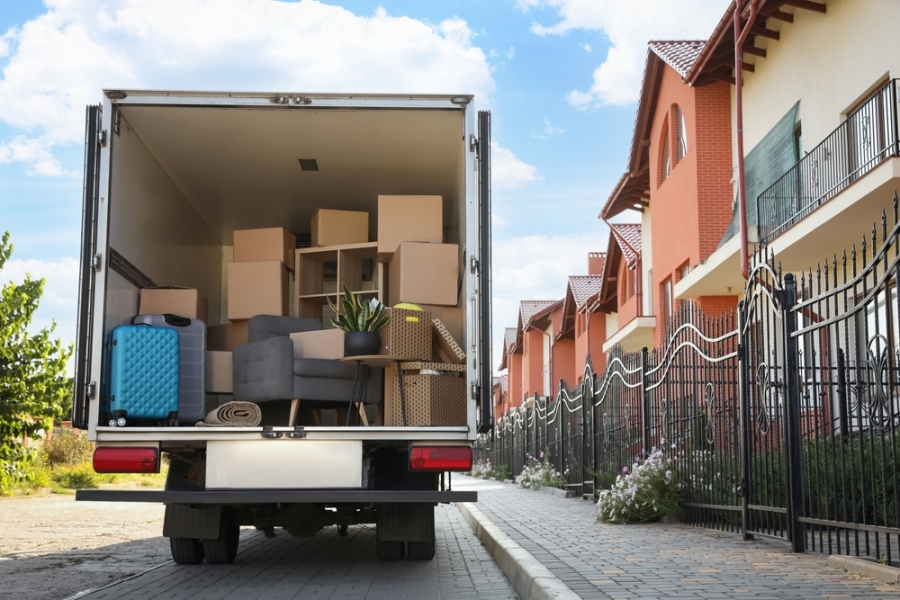
Moving to a new home involves more than just loading boxes into a truck. The process covers everything from planning and packing to hiring movers and getting settled in your new space. A trusted Tustin moving company can walk you through each step so nothing gets missed along the way. This post breaks down how residential moving works and what you can do to make it go smoothly. We’ll cover packing tips, how to pick the right movers, and what to expect once you arrive at your new place.
Understanding the Residential Moving Process
The residential moving process usually kicks off with an evaluation of everything that needs to go. This step helps determine the size of the move, flag any special requirements, and give you an accurate cost estimate. Once that’s done, a detailed plan gets put together covering the schedule, packing needs, transportation, and any extra services you want. From there, the moving team carefully packs and labels each item to keep things safe during transport. Quality packing materials and solid techniques protect fragile stuff throughout the move. Clear communication stays open the whole time to handle any concerns and keep the relocation running smoothly.
Importance of Proper Packing Techniques
Good packing makes a huge difference in keeping your belongings safe during a move. Use quality materials like sturdy boxes, bubble wrap, packing paper, and tape to protect your stuff from damage. Pack heavy items at the bottom of boxes and put fragile things on top with plenty of cushioning. Label each box with what’s inside and which room it belongs to. This saves a ton of time when unpacking. Take apart furniture and wrap the pieces securely to avoid scratches and dents. Smart packing not only protects your belongings but also makes better use of space in the moving truck, keeping the whole process organized.
Hiring Reliable Moving Services
When picking a moving company for your residential relocation, focus on reliability and experience to keep stress levels low. Look for movers with a solid track record of successful moves and positive customer reviews. Make sure the company is licensed and insured so your stuff stays protected during transport. Ask for a detailed estimate that covers all charges upfront to avoid surprise fees on moving day. Reputable movers often offer extra services like packing help, storage options, and special handling for delicate items. Before you commit, ask about their cancellation and rescheduling policies in case your plans change. Going with an established moving service lets you hand off the heavy lifting to people who know what they’re doing.
Tips for a Smooth Transition
Careful planning and organization go a long way toward making your move stress-free. Start by putting together a timeline that maps out what needs to happen before moving day. Declutter and sort through your stuff before packing to speed things up. Label boxes clearly and keep a list of what’s in each one so unpacking goes faster. If you need parking permits or special arrangements, handle those ahead of time. Let the right people know about your address change early so you don’t miss mail or have service interruptions. Book professional movers or rent equipment well before your move date. Staying on top of things throughout the process cuts down on stress and helps everything go according to plan.
Unpacking and Settling In
Once your boxes show up at the new place, it’s time to dig in and start making it home. Unpacking can feel like a lot, but a structured approach makes it manageable. Here are five steps to help you unpack and settle in:
- Prioritize the Basics: Unpack bedding, kitchen stuff, and toiletries first so you can function right away.
- Go Room by Room: Focus on one room at a time to stay organized and avoid chaos.
- Declutter as You Go: Use unpacking as a chance to toss or donate things you don’t actually need.
- Set Up Furniture: Arrange furniture in each room to make the best use of space.
- Add Personal Touches: Put up photos and decor to make the new place feel like yours.
Post-Move Organization and Maintenance
Keeping things organized after your move and staying on top of home upkeep make for a more comfortable living situation. Once you’ve unpacked, set up systems to keep your belongings in order. Storage bins, shelves, and labels help maintain structure. Declutter regularly so stuff doesn’t pile up. Create a cleaning schedule to keep your home fresh and sanitary. Handle maintenance issues as soon as they pop up before they turn into bigger problems. Get familiar with basic home tasks like changing air filters and checking for leaks. Build a routine for household chores so they don’t stack up and become overwhelming. Staying organized and proactive creates a living space that actually feels relaxing.
Related Topics: