
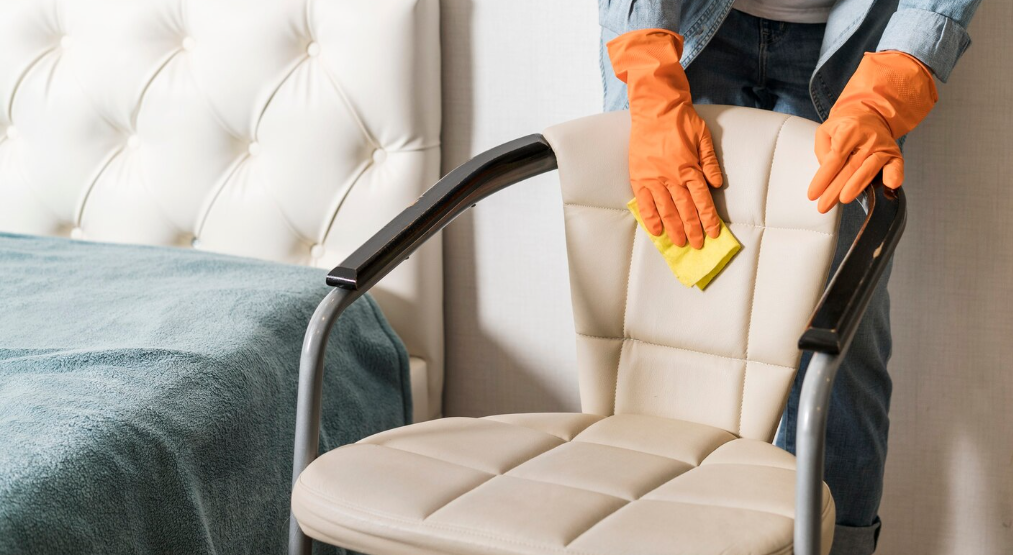
Cleaning your furniture before a move saves you hassle and keeps your belongings in great shape for the new place. Dirt, dust, and stains travel with your stuff if you don’t deal with them beforehand. Even the best moving company in Tustin can’t protect furniture from grime that’s already there. This post walks through the supplies you need, how to handle different materials, and the finishing touches that make a real difference. A little prep work goes a long way toward making your move smoother.
Gather the Right Cleaning Supplies
Start by getting all your cleaning supplies together before you touch any furniture. You’ll need microfiber cloths, mild soap or wood cleaner, glass cleaner, furniture polish, a vacuum with attachments, and a duster. Microfiber cloths work great for dusting and wiping surfaces without leaving scratches. When picking a soap or wood cleaner, go with something gentle that won’t damage the finish. Glass cleaner handles any glass tabletops or mirrors on your pieces. Furniture polish restores shine and protects wooden surfaces. The vacuum attachments help you get into upholstery and tight spots.
Start With Dusting and Vacuuming
The first real step is to dust and vacuum to get a clean surface before you do anything else. Use a soft microfiber cloth to gently remove dust from surfaces, including carved details and small crevices. Start at the top of each piece and work your way down so you don’t knock dust onto areas you’ve already cleaned. Vacuum next to pull out any dirt or particles stuck in upholstery or fabric sections. Use a brush attachment for wood and a fabric attachment for upholstered parts. Regular vacuuming also helps keep your furniture in good condition before the move, so it looks fresh when it arrives.
Tackle Stains and Spills
Handle any stains and spills right away using the right cleaning methods to get your furniture looking presentable before moving day. For water-based stains like coffee or wine, blot the spot with a clean cloth and a mild detergent mix. Grease stains need baking soda to soak up the oil before you vacuum it away. Ink stains respond well to rubbing alcohol or vinegar. Always test any cleaner on a hidden spot first to avoid damaging the furniture. For upholstered pieces, check the manufacturer’s care tags for specific instructions. Blot stains instead of rubbing, rubbing just spreads them around.
Deep Clean Upholstery and Fabrics
Give upholstery and fabrics a thorough cleaning by vacuuming, steam cleaning, or using fabric-safe products to remove dirt and smells before relocating. Start by vacuuming all sides of the cushions and pay close attention to crevices where crumbs and dust collect. For a deeper clean, steam cleaning is effective at pulling out embedded dirt and killing bacteria. Check the manufacturer’s guidelines before using any products to avoid damaging the fabric. Fabric-safe cleaners are good for spot-treating stains or freshening the material. Make sure everything dries completely before moving to avoid moisture problems during transport.
Don’t Forget About Wood Furniture
Wood furniture needs special care to stay in top shape during the moving process. Start by dusting wood surfaces with a soft cloth to clear away loose debris. For stubborn stains, use a mild soap-and-water mix, but don’t soak the wood. Always dry it completely to prevent water damage. If you notice scratches, a wood polish or touch-up marker can help restore the look. Pay attention to what type of wood you’re cleaning so you pick the right products for the job.
Finish With Polishing and Protecting
Wrap up the cleaning process by polishing and adding a protective layer to your wood furniture.
- Polishing: Use a high-quality wood polish to restore the shine and remove any remaining dirt. Apply it evenly, following the wood grain for the best results.
- Applying a Protective Layer: After polishing, add a coat of furniture wax or wood sealant to guard against scratches, moisture, and other damage during the move. Follow the product instructions for your specific brand.
- Buffing: Once the protective layer dries, gently buff the furniture with a clean, soft cloth to achieve a smooth, glossy finish.
Related Topics: