
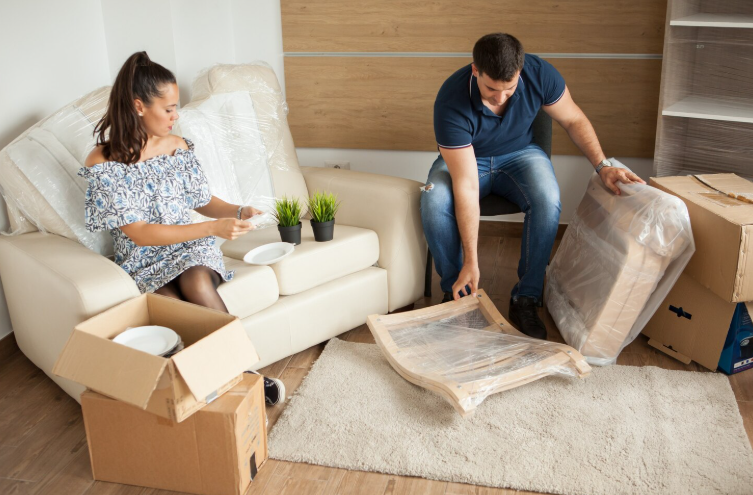
Packing furniture for a move is one of those things that sounds simple until you actually start doing it. You look around at all the chairs, tables, and odd little side pieces and think, “Where do I even start?” Measuring everything first is usually a good idea, and it can help to jot down any scratches or weak spots. Some people like calling a trusted moving company if they want a bit of extra advice or even a hand. Honestly, a little prep here saves a lot of stress later, and trust me, you’ll thank yourself when nothing gets dinged along the way.
Once you start thinking about it, furniture moves aren’t just lifting and carrying. You have to consider the space in your new place, how big the doorways are, and whether any piece might get damaged if moved as-is. It’s kind of a mix of strategy and patience.
Assessing Your Furniture
Before grabbing tape or blankets, take a good look at each piece of furniture. Measure width, height, and depth, and check that each item will actually fit through your doorways and hallways. Some couches or dressers can be trickier than you expect, and it’s easy to overlook that until you try to move them.
Also, notice any scratches, dents, or fragile parts that might need extra care. Sometimes a little nudge during a move can make a scratch worse, so identifying weak spots ahead of time is really helpful. Thinking about disassembly is smart too; removing legs or shelves can make things easier and safer.
Disassembling Large Pieces
Big pieces like beds or tables usually need a bit of work before moving. Take off legs, pull out shelves, or undo anything that might snap or bend. Keep all screws, bolts, and small pieces in a labeled bag so you don’t lose anything. Some people even take a quick photo before taking things apart, which makes reassembly way less stressful.
It might feel tedious at first, but being systematic helps a lot. A few extra minutes now saves a ton of frustration later, especially if you’re dealing with heavy or fragile furniture.
Gathering Packing Supplies
Next, gather the supplies. You’re going to need sturdy boxes in a few sizes for smaller items, tape, packing paper or bubble wrap for fragile stuff, and furniture blankets or pads for bigger pieces. Tools are also handy if you’re taking things apart; screwdrivers, wrenches, or Allen keys work for most furniture.
Markers for labeling boxes are easy to forget but really useful. Knowing what’s in each box and where it goes in your new place makes unloading way easier. Honestly, having all your supplies ready before you start is half the battle.
Wrapping and Padding Techniques
Now comes the fun, a bit of wrapping and padding. For smaller, fragile items, bubble wrap does wonders; you wrap until you feel confident it’s protected. Bigger pieces get furniture blankets; it’s kind of like tucking them in for a safe trip. Corners are easy to bump, so a little extra foam there can save some heartache.
Stretch wrap can help too, especially for drawers and doors, keeping everything shut during the move. You don’t have to be perfect. Think about protecting what’s delicate and giving everything a snug fit so nothing slides.
Loading and Securing Items
Once wrapped, think about loading. Heavy stuff goes in first, against the walls of the truck, and lighter pieces or boxes on top. Fill any gaps with blankets or padding so things don’t slide. Straps or tie-downs can help with tall furniture, and checking twice that nothing can move around is never overkill.
It’s kind of like playing Tetris, but with bigger pieces, and you don’t want anything crushing anything else. Taking your time here makes a huge difference once you get to the new place.
Labeling and Organizing Boxes
Labeling is simple but makes life so much easier. Mark boxes with the contents and the room they belong to. You can even use colors or numbers if that helps you keep things straight.
A short note or label can save a lot of guesswork later. Unpacking feels much better when you’re not hunting for the right box or discovering fragile items got mixed in with heavy stuff. Just a little organization goes a long way.
Related Topics: