
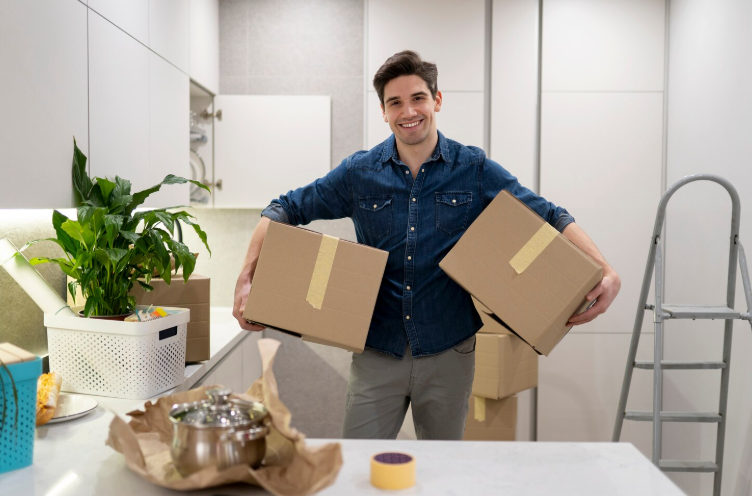
Packing a kitchen for a move can feel messy at first. There are dishes, random utensils, and maybe that drawer full of things you forgot you owned. In the middle of sorting everything out, many people rely on a dependable moving crew, you know, to make sure fragile items survive the trip. Kitchens have a lot of breakable stuff, so the packing needs a little patience.
A slow approach helps more than rushing. Plates, glasses, and appliances all need different handling. It may seem like a lot, but taking it step by step keeps things manageable. And it makes unpacking later a lot less stressful.
Gather Essential Packing Supplies
Before packing anything, gather the supplies you will need. Sturdy cardboard boxes are a good start. Try to have several sizes ready since kitchen items are rarely the same shape.
Packing paper or bubble wrap helps protect fragile pieces. Keep strong packing tape nearby so boxes stay sealed. A permanent marker is useful, too, since labeling saves time later. It might feel like a small step, but it helps a lot once boxes start stacking up.
Some people also keep small plastic bags nearby. They work well for loose pieces like measuring spoons or appliance parts. Having everything within reach keeps the packing process moving without constant searching.
Sort and Declutter Kitchen Items
Before boxing things up, take a little time to sort through the kitchen. Group items like cookware, utensils, and dishes together. It helps you see exactly what you own, which is sometimes surprising.
You might notice duplicates or tools you rarely use. Maybe that extra spatula or chipped mug is sitting in the back of the cabinet. Setting aside unused items reduces clutter and makes packing easier.
Clearing out unnecessary pieces also helps when settling into the new place. Fewer boxes mean less unpacking later. A simple reset for the kitchen.
Wrap Fragile Items Securely
Fragile kitchen items need careful wrapping. Start by wrapping packing paper or bubble wrap around each piece. Cover the entire surface so nothing is exposed.
Plates and bowls are safer when placed vertically in the box. It might seem odd, but this position reduces pressure during transport. Adding cardboard dividers between items helps prevent them from bumping together.
Tape can hold the wrapping in place, though it should stay on the packing material rather than the item itself. A little extra padding around sharp edges also helps. It is better to overprotect delicate items than risk damage.
Pack Dishes and Glassware Strategically
Placing dishes in the box with some planning helps keep them safe. Begin with a soft layer of paper or wrap at the bottom. That cushion absorbs small impacts during the move.
Heavier pieces should go near the bottom of the box. Plates usually fit there nicely, while glasses sit better toward the top. Between each layer, add crumpled packing paper so nothing shifts around.
If there are small gaps inside the box, fill them with extra paper. Movement inside the box is what causes many breaks. A snug fit really helps keep dishes intact.
Secure Appliances for Transportation
Kitchen appliances need preparation before packing. Start by cleaning and drying them. Moisture left inside can cause problems during the move.
Remove loose parts like trays or shelves. Wrap those separately so they do not rattle around. Refrigerators and freezers should be defrosted at least a day before moving.
Doors can be secured with tape or straps so they stay closed. Padding or moving blankets protects the outside surfaces from scratches. These small steps keep appliances in good condition during the trip.
Label Boxes Clearly for Easy Unpacking
Clear labels make unpacking much easier later. Write the contents of the box and the room where it belongs. Large writing on the sides helps people see it quickly.
Some people also mark fragile boxes with a quick note. It reminds anyone carrying them to move a bit more carefully. Little reminders like that can prevent accidents.
Keeping a simple list of what goes in each box can help, too. It might sound like extra effort at first. But once you reach the new home, finding the right box becomes a lot simpler.
Related Topics: